
Omamori
More Gift Giving Ideas From Japan
CULTURAL
2/5/20263 min read
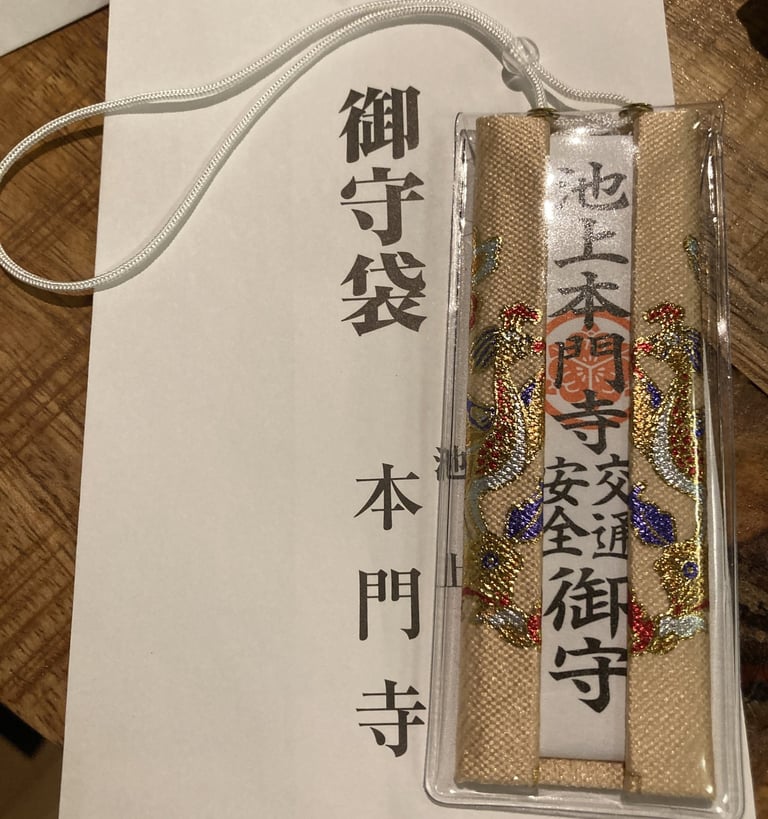
Every time we pass beneath a temple gate, Liam and Reaghan make a quiet beeline for the table of thin blessing papers stacked like letters from the unseen. They are called goshinsatsu (御神札) — usually shortened to “goshin” — but in our family we tend to think of them less as religious objects and more as fragments of place that come home with us.
They are simple things: a sheet of paper or thin wood printed with sacred characters, often slipped into a plain envelope. Yet when we bring one back, it feels as if we are carrying a small piece of the temple itself. In Japan, families usually place these on a household altar or in a clean corner of the house, where they remain for a year before being replaced.
I like that a goshinsatsu does not travel. It stays put, quietly keeping watch over the space where life unfolds — as if the shrine has agreed to look after us even when we are far from its gates.
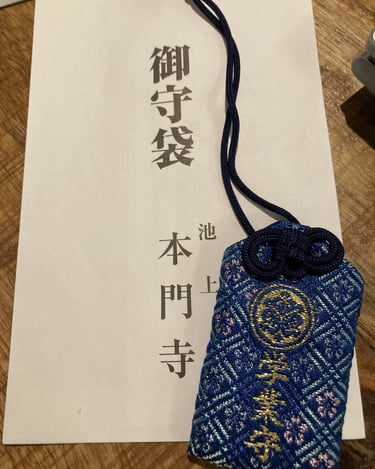
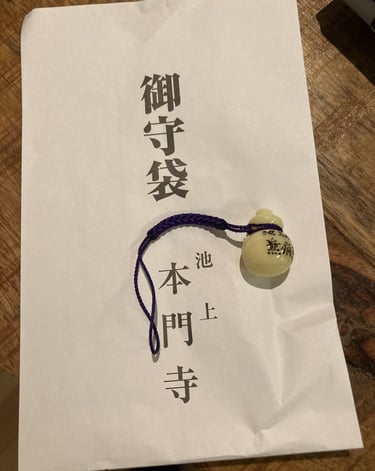
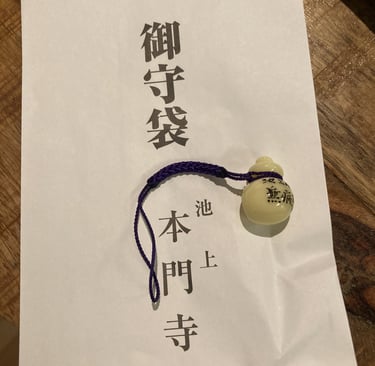
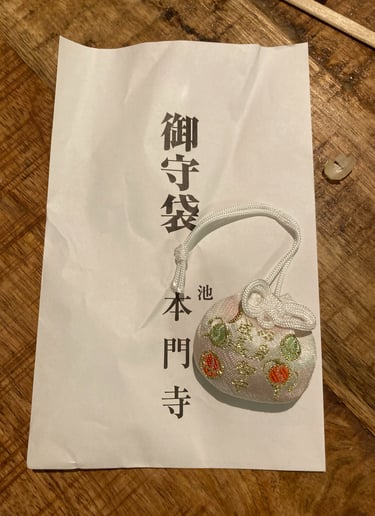
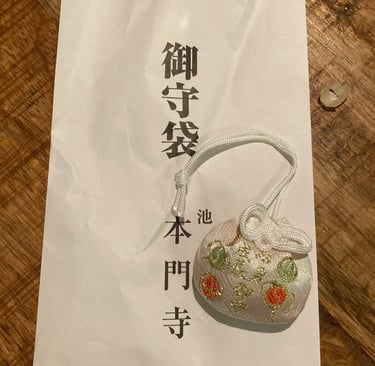
Mary, meanwhile, is drawn to omamori — the tiny stitched charms sold at every temple and shrine. They fit in the palm of your hand, tied shut so they are never meant to be opened. They look delicate, almost decorative, yet they carry something heavier: a prayer folded into silk.
Whenever we visit a temple, we almost always buy omamori — partly because everyone can use a little extra luck, and partly because those small offerings help temples sustain themselves. But mostly because we like leaving with something that reminds us we were truly there.
In Japan, some of the most powerful things are also the smallest — and the gentlest.
At first glance, omamori can look like souvenirs. They are colorful, beautifully made, and arranged in tidy rows behind glass. Travelers photograph them, gift shops imitate them, children collect them. But to see them only as decoration is to miss their deeper place in everyday life.
An omamori connects a person to a place, a moment, and a hope — a subtle layer of protection that travels with you. When someone gives you one, they are not simply handing over a pretty charm; they are extending care in a language older than words.
The appearance of an omamori often says more about the shrine that produced it than about its spiritual weight. A small neighborhood temple may sell plain, understated amulets stitched from modest fabric. A famous shrine in Kyoto might offer ones embroidered with metallic thread and elaborate patterns. Neither is better; they are simply different expressions of the same intention.
When we choose an omamori — for ourselves or as a gift — we rarely begin with aesthetics. We begin with purpose. One may read 交通安全 (Travel Safety) and another 学業成就 (Success in Study). Some say 健康祈願 (Prayer for Health) or 厄除け (Protection from Misfortune).
The writing on the front is our most reliable guide. The fabric, color, and complexity are secondary — almost decorative — beside the vow contained inside.
Some omamori offer small visual hints: a tiny metal car dangling from a travel charm, a book or pencil for exams, or a heart for relationships. But these are modern additions, playful gestures layered onto a much older tradition.
A plain wooden ofuda placed in a home shrine can be as sacred as the most beautifully embroidered amulet from a famous temple. A modest omamori bought quietly from a rural shrine may carry deeper personal meaning than a glittering one purchased at a crowded tourist site.
What matters is the relationship: who gave it to you, where it came from, and why. An omamori is powerful because of the intention wrapped inside it.
Omamori are given before journeys, before exams, before surgery, before separation. They are quiet promises that say: I am thinking of you. I want you to be safe.
When someone hands you an omamori, they are sharing a prayer. The fabric becomes a vessel for care that words cannot fully express.
You do not need a formal speech. You simply offer it gently:
“If you like, please use this.”
“I’m wishing for your safety.”
The exchange is understated, almost casual — yet deeply intimate.
This is why omamori are rarely given for birthdays or holidays. They are not celebration gifts. In the end, omamori remind us that not everything important can be measured by appearance.
In the end, omamori ask us to believe in small, tender things — in care that travels quietly, in prayers that fit in a pocket, in the idea that places can keep watch over us even after we leave them. They remind us that protection is not always loud or visible, that love often arrives stitched into silk rather than announced in grand gestures. Long after the temple gates have closed behind us, we carry a little of that faith forward — a soft promise that we are not entirely alone, and that somewhere, a place we once stood is still thinking of us.
Kakkoii Adventures
A couple navigating life's changes, making intentional choices, and living the life made possible.
STAY ConnectED
© 2026 - All rights reserved.
Making room. Choosing what's next. Living the life those choices make possible.
Join us for our twice-monthly newsletter as we share the choices, changes, and adventures along the way.