
Part 4: Ready To Sell
The final step of downsizing was selling our home. Here’s what the process looked like and what we learned along the way.
STEP BY STEP DOWNSIZING
2/24/20265 min read
Part 4: Ready to Sell
“We were willing to wait rather than compromise the goal that started our journey.”
After nearly 25 years in our home, we reached the point where it was time to sell.
The rooms were mostly empty. The pets had already been moved. The walls had been repainted. On the surface, we were ready.
We thought the hardest part of downsizing had been decluttering — the sorting, the packing, the letting go of things. But selling the house turned out to be a different kind of challenge. It wasn’t about stuff anymore. It was about patience, expectations, and staying clear on why we started this journey in the first place.
This was Part 4 — the step where downsizing became real.
As I reflected on this part of our journey, I realized that even though we have had many friends sell and buy their homes, no one shares details of the actual transition process. Those details are rarely, if ever, shared with someone outside of the transaction.
Please join us as we walk through the final stages of selling our house. Even though each transaction is unique, we hope our experience gives you insight into what we went through to complete this last stage of downsizing and moving off our property.
When we reached the point where we had emptied our house of most furniture, moved our pets to my sister’s property, and repainted based on the real estate agent’s suggestions, we were ready for the next step: marketing the house.
We chose to sell the house using an agent. There are different methods, such as For Sale By Owner. For us, we chose not to market it ourselves, as we didn’t have the network or means to properly promote the house.
After interviewing several agents, we were presented with three very different approaches and perspectives. We ultimately selected the agent whose ideas most closely aligned with our goals. Once we chose our agent, we reviewed the prices of other houses — known as “comps” (comparisons) — that had sold in our area. This gave us a clearer understanding of what the market might offer, and together we agreed on a listing price.
Even though we had sold another house before, this experience felt very different. After living here for over 25 years, we truly didn’t know what to expect. We assumed emotionally detaching from the house would be the most difficult step. However, because it had taken nearly a year to move our personal belongings and animals out, the emotional separation had already begun. It became clear that the home was ready for a new family to call it their own — and we were ready to let it become part of someone else’s story.
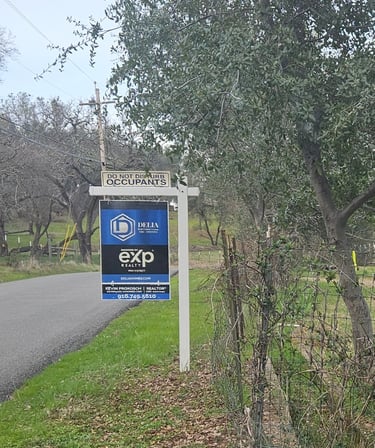
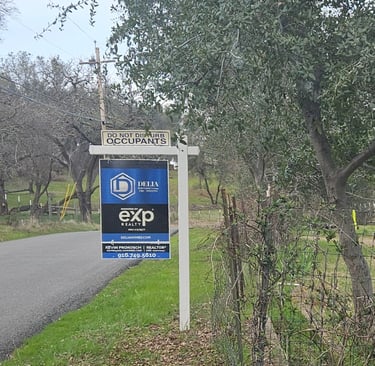
There were plenty of appointments — photographs, inspections, paperwork — and within a week, the house was on the market. With the sign in front of our home and anticipation building, we waited five days for our first offer.
The prospective buyers liked the house but felt our asking price was too high. As first-time buyers, they also needed financial assistance to meet their lender’s requirements and asked us to cover many of their costs. We declined the offer and waited.
More offers followed. Several buyers asked for help with down payments, agent fees, escrow fees — some traditionally paid by sellers — and additional concessions beyond that. After three months of offers that reduced our proceeds more than we were comfortable with, we began questioning ourselves. Was our asking price too high? Were we being unrealistic?
We had to return to our original goal. Why were we selling? What did we need the sale to accomplish?
We established a firm bottom line. If we didn’t receive a price that met our needs, we would remove the house from the market and continue living there. Downsizing was our goal — but not at the expense of what we had carefully planned.
One friend asked, “But you already moved all your things out — and your animals too!”
That was true. But we were willing to live simply and wait. Accepting less than our bottom line would have meant essentially paying someone to buy our house. That wasn’t aligned with our goal. So we made the decision to take the house off the market.
Before we had even listed the house, we had scheduled a short visit with our children. We assumed the house would sell within four months, but that timeline came and went. We were faced with a choice: continue showing the house and possibly miss meaningful time with our children, or pause the process. We chose to pause. We contacted our agent and removed the house from the market while we were away.
That break gave us something we didn’t realize we needed — perspective.
While visiting our children and stepping away from the stress, we reflected on what might improve the house’s appeal. When we returned home, we repainted the exterior and completed a few additional repairs. Six weeks later, we relisted the house.
Soon after, the right buyers came along.
They toured the house and property with us for nearly three hours. As we walked through each space, we sensed it was a good fit — for them and for us. However, their offer included a contingency. They needed to complete prior business before they could move forward with purchasing our home.
So once again, we waited.
They worked diligently to meet their requirements, and once their business was complete, everything moved forward quickly. Paperwork was finalized. Promises were fulfilled on both sides.
And then, the day arrived.
When the final documents were signed and escrow officially closed, it didn’t feel dramatic. It felt quiet. Almost surreal.
After months of waiting, questioning, adjusting, and holding firm to our plan, the house was no longer ours. Part 4 was complete.
Looking back, what stands out most isn’t the negotiations or the uncertainty. It’s the clarity. We knew why we were downsizing. We had taken the time to set our goal, build a plan, create a timeline, and prepare ourselves emotionally. Even when the process unfolded differently than we expected, we trusted the foundation we had put in place.
There were moments when we wondered how it would all turn out. But we also knew that if we stayed focused — whether that meant selling or waiting — we would be okay.
And in the end, we were.
Downsizing wasn’t about luck. It was about preparation, patience, and the willingness to hold steady until the right path opened up.
Reflection and Moving Forward
Clarity Makes Decisions Easier
When we were clear about why we were downsizing and what we needed financially, it became easier to say “no” to offers that didn’t align with our goal.
• Patience Is Part of the Process
Selling a home doesn’t always happen on your timeline. Waiting, pausing, and even stepping away for a short time gave us perspective and strengthened our resolve.
• Flexibility and Focus Can Coexist
We were flexible with repairs, timing, and contingencies — but firm about our bottom line. Staying focused on our plan allowed everything to eventually fall into place.
If you’re thinking about downsizing, take a deep breath and remember: it’s okay to go at your own pace. Figure out what you really want, stick to your plan, and give yourself the time to wait for the right opportunities. Your path will look different from ours, but keeping steady and clear about your goals will get you there.
If you’d like to follow the whole journey, start with Part 1 and walk through the steps we took from deciding to downsize to finally selling our home.
Kakkoii Adventures
A couple navigating life's changes, making intentional choices, and living the life made possible.
STAY ConnectED
© 2026 - All rights reserved.
Making room. Choosing what's next. Living the life those choices make possible.
Join us for our twice-monthly newsletter as we share the choices, changes, and adventures along the way.