
Shimokitazawa
Where Reinvention Lives
2/18/20263 min read
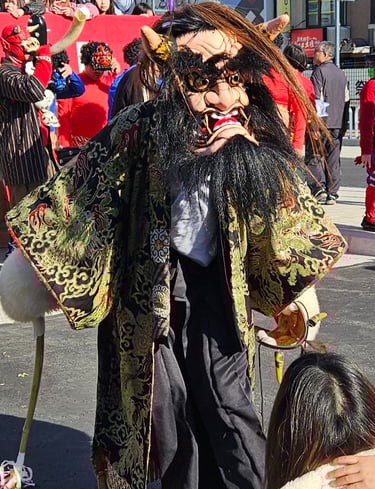
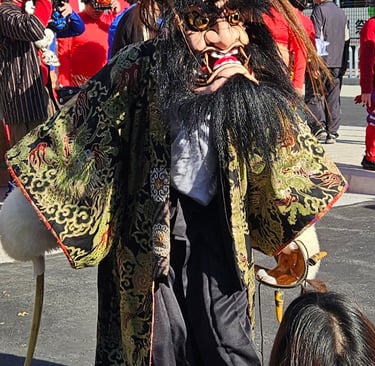
About 1–1.5 miles east-northeast of Sangenjaya (三軒茶屋) lies one of our favorite neighborhoods: Shimokitazawa (下北沢). It’s about a 20–30 minute walk through Setagaya or a 10–15 minute ride on Bus 61. The two areas sit remarkably close to one another — neighboring districts separated mainly by residential streets — yet each developed its own identity.
We have walked the distance, and it can be a pleasant stroll, but we usually take Bus 61 from Sangenjaya. The bus is typically crowded with students in the morning and afternoon, and later in the day with older residents running errands — usually after 10 a.m., when many neighborhood shops begin to open.
What makes this short journey interesting is how clearly it reveals Tokyo’s layered character.
Together, these two neighborhoods reflect the transformation of rural farmland into modern Tokyo. Sangenjaya developed earlier than Shimokitazawa largely because of transportation routes. Its name means “Three Tea Houses,” a reference to rest stops that once stood along the Ōyama Kaidō, a pilgrimage and commercial road connecting Edo with Mount Ōyama in present-day Kanagawa Prefecture.
Shimokitazawa’s name, by contrast, reflects its geography. It literally means “the lower northern marsh,” a reminder that this now-fashionable district was once lowland agricultural terrain on the edge of the expanding city.
For much of its modern history, Shimokitazawa offered something increasingly rare in Tokyo: relatively affordable land close to the city center. Students, retirees, young workers, and artists settled here, drawn by modest rents and small buildings tucked along narrow streets. It was never prestigious, but it was practical — and that practicality became its greatest cultural asset.
Beginning in the 1970s, theater groups and musicians were attracted by tiny performance spaces and inexpensive rents. Gradually, the neighborhood developed a reputation as a center of alternative culture. In a society often associated with conformity, Shimokitazawa represented something different: experimentation.
Beyond its bohemian atmosphere, Mary and I especially enjoy the neighborhood’s embrace of vintage clothing shops. We have bought sweaters and shirts for as little as three dollars and even found kimonos for around one dollar. Japan’s reputation for resale clothing, however, is not simply a modern environmental trend but part of a much older relationship with material goods. For centuries, textiles were repaired, repurposed, and handed down through generations — a practice reflected in concepts like mottainai, the sense that it is wasteful and almost disrespectful to discard something that still has life in it. Kimonos were routinely taken apart and resewn into new garments, children’s clothing, or household fabrics, and even heavily patched boro textiles were valued for their durability and history. After World War II, when resources were scarce, reuse became even more normalized through surplus markets and resale shops. Buying secondhand clothing in Japan carries little stigma; instead, it suggests practicality, individuality, and an appreciation for craftsmanship. That cultural comfort with reuse helped create the conditions in which neighborhoods like Shimokitazawa could flourish.
Shimokitazawa’s dense concentration of vintage shops reflects both economics and identity. Imported American denim, military surplus, and retro Western styles became especially popular, helping shape Japanese street fashion trends. Over time, the neighborhood evolved into a kind of fashion laboratory — a place where styles were tested before spreading into larger commercial districts such as Harajuku.
Wearing used clothing here is less about thrift than about inhabiting history. In that sense, the neighborhood mirrors the cultural values behind it: just as discarded garments can be given new life, Shimokitazawa itself transformed from overlooked farmland and marshland into one of Tokyo’s most expressive districts — a place where reinvention is not only accepted but celebrated.
Shimokitazawa also carries a quieter, more personal resonance. It suggests independence, artistic experimentation, and the freedom to live slightly outside the mainstream. Walking its narrow streets evokes memories of early adulthood — first apartments, first bands, first ambitions — and there is a gentle nostalgia in the atmosphere. In some ways, it feels reminiscent of the artistic and countercultural communities of the 1960s and 1970s that Mary and I grew up around. The neighborhood’s appeal extends beyond geography; it touches something emotional, a reminder that places, like people, are always capable of becoming something new.

Kakkoii Adventures
A couple navigating life's changes, making intentional choices, and living the life made possible.
STAY ConnectED
© 2026 - All rights reserved.
Making room. Choosing what's next. Living the life those choices make possible.
Join us for our twice-monthly newsletter as we share the choices, changes, and adventures along the way.