
When To Use A.I.
Legal and Artistic Reasons for Using A.I.
2/13/20264 min read
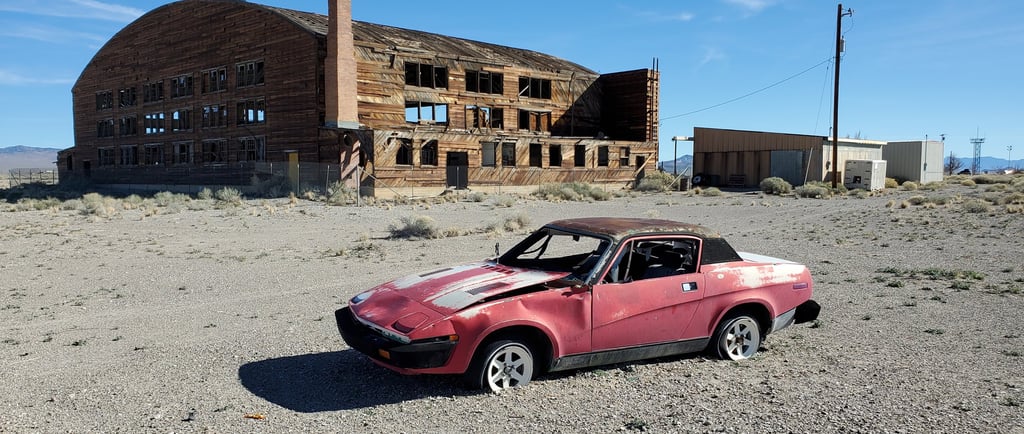
The street I remember isn’t the street my camera captured. My photos show crowds, noise, and motion — but my memory holds stillness, warmth, and a kind of quiet magic. Lately, I’ve been using AI not to invent places, but to bring my images closer to how those places felt in the moment while keeping the original scene intact.
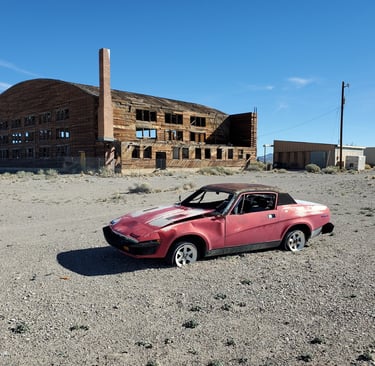
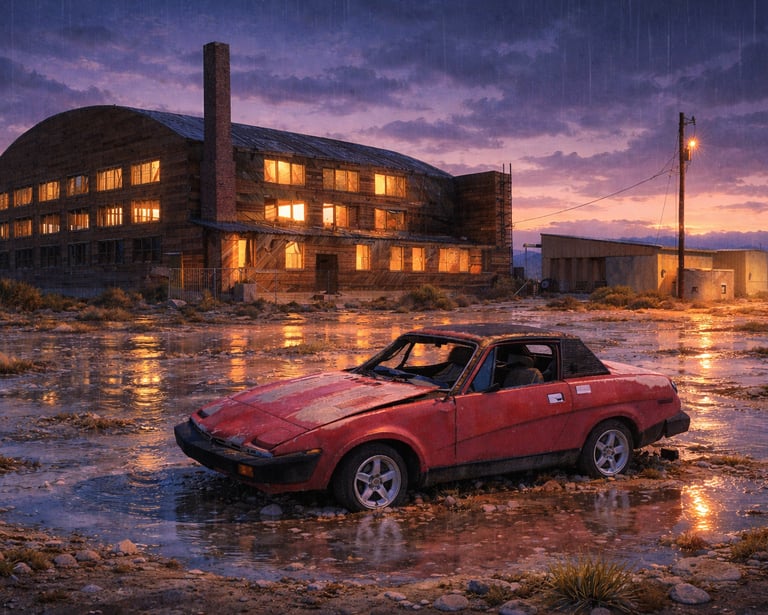
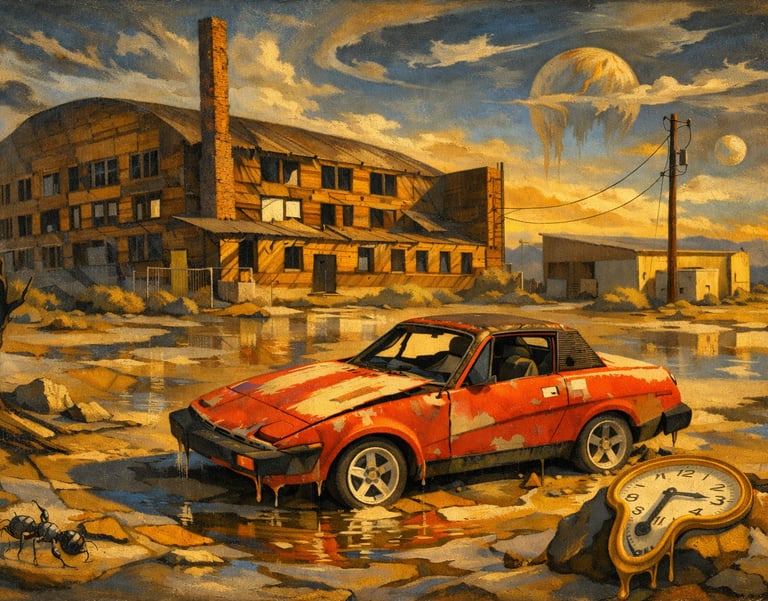
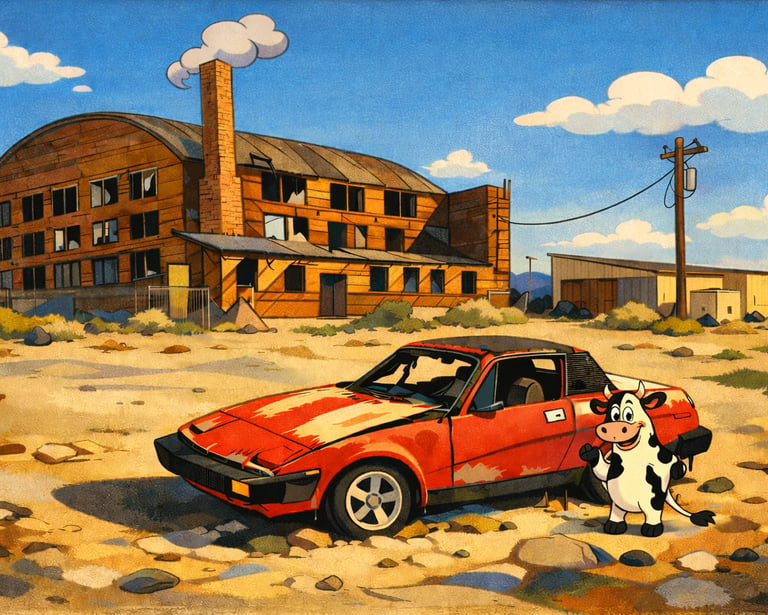
One of my favorite photographs I've taken recently is the above image of an abandoned Triumph automobile parked in front of a WW2 era aircraft hanger. I like it for it's historical reasons and what it represents as a reference, but, I felt there was more the photograph could offer. Looking at the images below transforming that photo into a soft, Ghibli-style image didn’t erase the place; I think it clarified the image. I think the rainy night imagery brought forward the mood that lingered with me long after I walked away. If I transform it into a 1940's style cartoon then it's just fun. Especially the cow.
The process itself is simple. I begin with an ordinary travel photo. If people distract from the feeling I’m trying to preserve, I ask the program to quietly remove them, as if the street had paused for me alone. Then I nudge the image toward a gentler, hand-drawn atmosphere — warmer colors, softer edges, kinder light. I’m not trying to turn Tokyo into fantasy. I’m trying to recreate a fleeting sensation: sunlight pooling at the end of an alley, or the way a quiet street seemed to exhale when the noise slipped away. In that sense, AI becomes less a tool of invention than a tool of memory.
What this practice has changed is how I think about seeing. Travel once felt like a race to capture proof — proof that I had been somewhere, that a moment happened, that the street looked exactly as my camera recorded it. Now I understand that experience isn’t documentary. Standing in a place, I absorb mood, light, sound, and an emotional current beneath it all. Shaping my photos later isn’t about correcting reality; it’s about honoring the part of travel that lives in feeling rather than fact.
I know some people bristle at AI-altered images. I’ve been told that pictures like mine “don’t count,” or that I’m demeaning photographers who spent years mastering their craft. I understand that reaction — photography is a discipline, and new tools can feel threatening. But I’m not trying to compete with photographers or pass myself off as one. I’m a traveler and a writer who uses images the way others might use sketches or watercolor: as emotional companions to memory. When I soften a street or remove the crowd, I’m not correcting reality — I’m translating how the moment lived inside me.
There is also a quieter ethical side to this. Removing people from my images keeps strangers from becoming unintended subjects in my stories. It sidesteps many privacy questions that come with posting recognizable faces online, especially in dense cities like Tokyo. At the same time, I remain careful about where I photograph in the first place; editing later doesn’t make an image permissible if it was taken somewhere photography was restricted.
In the end, photographs were never purely objective to begin with. Every image reflects where we stand, what we frame, and what we leave out. AI simply makes that subjectivity more visible. When I turn a busy street into something quieter, I’m not claiming that this is how the place really looked — I’m showing how it lived in me. And if a touch of Ghibli light helps me hold onto that relationship a little longer, then the image feels less like an alteration and more like a translation between reality and memory.
If you’re tempted to try this yourself, start with feeling rather than technique. Choose a photograph that already matters to you — a street you lingered on, a view you didn’t want to leave, a moment that stayed with you. Ask what you remember most: the light, the silence, the color of the sky, the stillness in the air. Then let your tools simply help you move the image closer to that memory. Travel images don’t have to be trophies or proof of presence; they can be small, personal translations of how a place touched you. Sometimes, a little Ghibli light is just another way of keeping that touch alive.
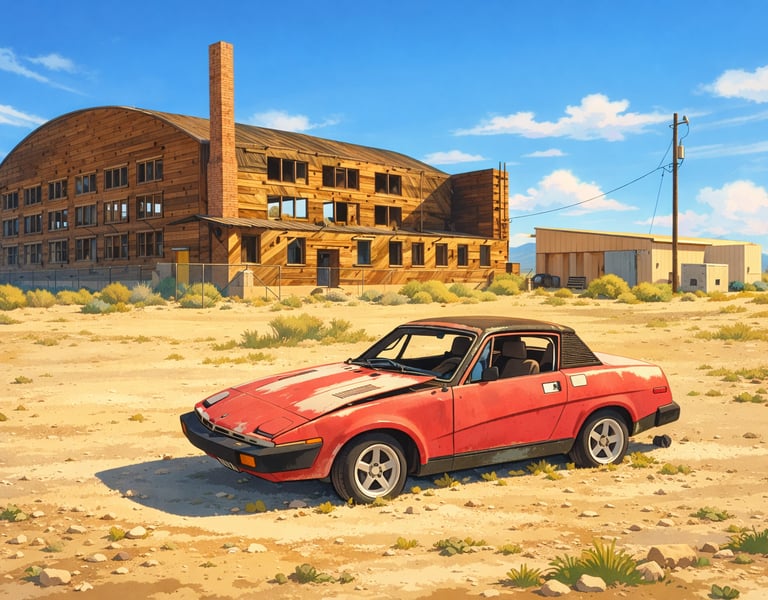
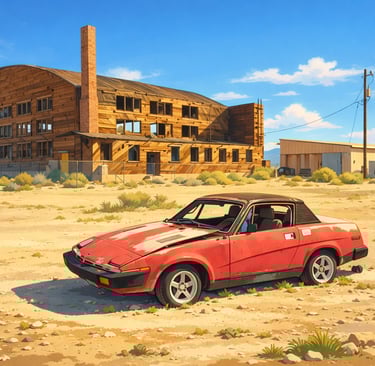
Ghibli-Anime...
Rainy Night...
Salvador Dahli...
1940's cartoon...
Kakkoii Adventures
A couple navigating life's changes, making intentional choices, and living the life made possible.
STAY ConnectED
© 2026 - All rights reserved.
Making room. Choosing what's next. Living the life those choices make possible.
Join us for our twice-monthly newsletter as we share the choices, changes, and adventures along the way.